Culture & leisure
Culture and leisure activities form the cornerstone of a fulfilling life, offering opportunities for self-expression, discovery, and connection with the world around us. Whether capturing stunning landscapes through a camera lens, exploring historic sites with awareness and respect, or developing a hands-on creative skill, these pursuits enrich our daily existence in profound ways. Modern culture enthusiasts increasingly seek experiences that combine personal growth with meaningful engagement, moving beyond passive consumption toward active participation.
This comprehensive exploration examines five interconnected dimensions of cultural leisure: the technical and artistic aspects of landscape photography, the ethical considerations of cultural tourism, the cognitive benefits of tactile creative hobbies, the strategic approach to art collecting, and the vital importance of heritage preservation. Each area offers distinct pathways for deepening your relationship with culture while contributing positively to the communities and environments you engage with.
Capturing the World Through Landscape Photography
Landscape photography represents more than technical proficiency with a camera—it cultivates a deeper appreciation for natural environments and trains the eye to recognize beauty in unexpected places. This practice combines artistic vision with technical knowledge, requiring photographers to understand how different elements work together to create compelling images.
Mastering Light and Compositional Fundamentals
The relationship between light quality and timing fundamentally determines photographic success. The golden hours—roughly the first hour after sunrise and the last hour before sunset—offer warm, directional light that adds dimension and texture to landscapes. Overcast conditions, often dismissed by beginners, provide soft, even illumination ideal for forests, waterfalls, and intimate nature scenes. Understanding how light interacts with your subject matter transforms ordinary scenes into extraordinary photographs.
Compositional techniques provide the structural framework for visual storytelling. The rule of thirds creates dynamic balance by positioning key elements along imaginary grid lines rather than dead center. Leading lines—roads, rivers, fences—guide the viewer’s eye through the frame, creating depth and movement. Foreground interest anchors wide-angle landscapes, giving viewers a point of entry before their gaze travels to distant elements. These principles aren’t rigid rules but flexible guidelines that become intuitive with practice.
Subject Selection and Equipment Protection
Choosing the right subject matter involves recognizing potential in both iconic locations and overlooked spaces. While famous vistas offer proven photographic opportunities, nearby alternatives often provide equally compelling scenes without crowds or access restrictions. Seasonal variations transform familiar locations—a summer meadow becomes a winter wonderland, offering four distinct photographic opportunities throughout the year.
Protecting equipment in challenging outdoor conditions extends your gear’s lifespan and prevents costly failures at crucial moments. Essential protective measures include:
- Weather-sealed camera bodies and lenses for moisture resistance
- Microfiber cloths and air blowers for removing dust and water droplets
- Protective filters to shield front lens elements from scratches and impacts
- Silica gel packets in camera bags to absorb excess humidity
- Gradual temperature transitions to prevent condensation when moving between environments
Post-Processing for Natural Results
Editing workflows should enhance rather than fabricate reality. The goal is revealing the scene as your eye perceived it, compensating for camera limitations rather than creating fantasy landscapes. Adjustments to exposure, contrast, and color balance restore the dynamic range your camera sensor couldn’t fully capture. Selective sharpening emphasizes important details while leaving backgrounds softer, directing attention naturally. Learning to recognize when an image is finished—before over-processing destroys its authenticity—separates thoughtful editing from excessive manipulation.
Traveling with Purpose: The Ethics of Cultural Tourism
Tourism represents one of the world’s largest economic forces, with traveler decisions creating ripple effects throughout local communities. Understanding these impacts transforms casual vacationers into conscious travelers who contribute positively to the places they visit.
Economic Flows and Community Impact
The path tourism dollars travel matters enormously for local prosperity. When visitors book international hotel chains, eat at franchise restaurants, and purchase imported souvenirs, revenue leaks away from host communities. Research indicates that in some destinations, less than 20 percent of tourism spending actually benefits local residents. Redirecting expenditures toward locally-owned guesthouses, family restaurants, and artisan markets ensures your travel budget supports community development rather than external shareholders.
Gentrification triggered by tourism transforms neighborhoods in ways that often displace long-term residents. Rising property values driven by vacation rentals and tourist-oriented businesses price out locals, eroding the authentic character that attracted visitors initially. Recognizing early warning signs—vacant storefronts replaced by souvenir shops, traditional markets giving way to trendy cafés—helps travelers make informed accommodation choices that minimize displacement pressures.
Cultural Engagement and Local Customs
Respectful interaction with local communities requires research, humility, and adaptability. Learning basic phrases in the local language demonstrates respect and facilitates meaningful connections beyond transactional exchanges. Understanding cultural norms around photography—some communities consider unsolicited photos intrusive or spiritually harmful—prevents inadvertent offense. Dress codes at religious sites aren’t arbitrary rules but expressions of sacred respect that visitors should honor regardless of personal beliefs.
Tipping and donation etiquette varies dramatically across cultures, with practices appropriate in one context becoming offensive elsewhere. In some countries, generous tipping demonstrates appreciation; in others, it implies the recipient needs charity or that service workers aren’t paid fairly. Researching local customs before arrival and observing how residents behave provides reliable guidance. When supporting preservation efforts or community projects, direct donations to established organizations often prove more effective than giving money to individuals.
Creative Pursuits and Hands-On Learning
Tactile hobbies—pottery, woodworking, textile arts, drawing—offer unique cognitive and emotional benefits that screen-based activities cannot replicate. The physical manipulation of materials creates powerful connections between mind and body, supporting brain health while producing tangible results that build confidence and competence.
The Hand-Brain Connection
Neuroscience research demonstrates that fine motor activities stimulate multiple brain regions simultaneously, strengthening neural pathways associated with planning, spatial reasoning, and problem-solving. Unlike passive entertainment, hands-on creation requires active decision-making at every step—choosing colors, adjusting pressure, correcting mistakes. This constant engagement produces a focused state similar to meditation, reducing stress while building skills incrementally.
Adult learners often approach new hobbies with unrealistic expectations shaped by childhood learning experiences. Understanding that skill development follows predictable patterns—initial rapid progress, followed by plateaus requiring persistent practice—helps maintain motivation through challenging phases. The key is selecting activities that match your temperament and available time rather than chasing trends or others’ interests.
Finding Instruction and Managing Practice
Quality instruction accelerates learning by providing structured progression and preventing bad habits that become difficult to correct later. Evaluation criteria for instructors include:
- Clear demonstration of techniques with explanation of underlying principles
- Individualized feedback addressing your specific challenges
- Progression frameworks showing how skills build upon each other
- Realistic timelines for achieving specific competencies
Comparing medium difficulties helps beginners choose appropriate starting points. Watercolor painting demands immediate decision-making with limited correction possibilities, while acrylic painting allows extensive revision. Knitting creates visible progress quickly but requires pattern-reading skills; ceramics needs specialized equipment and studio space but offers satisfying three-dimensional results. Assessing these practical considerations alongside personal interest ensures sustainable engagement.
Preventing repetitive strain injuries requires attention to posture, tool ergonomics, and practice duration. Taking regular breaks every 30-45 minutes, stretching hands and wrists, and using properly sized tools suited to your grip prevents chronic pain that can end enjoyable hobbies prematurely. Scheduling consistent practice sessions—even 20 minutes daily—produces better results than sporadic marathon sessions that risk burnout and injury.
Art as Investment: Building a Meaningful Collection
Art collecting encompasses both aesthetic pleasure and financial considerations, with successful collectors balancing emotional response with strategic thinking. Entry-level collecting doesn’t require vast wealth but does demand education, patience, and clear personal criteria for acquisition decisions.
Understanding Market Structures and Value
The art market operates in distinct tiers with different dynamics and access requirements. Primary markets—galleries selling artists’ new work—offer accessible entry points where relationships with dealers provide expertise and first access to emerging talents. Secondary markets—auctions and resales—involve established artists with price histories, requiring more sophisticated valuation skills. Understanding these structures helps beginners navigate options appropriate to their budget and knowledge level.
Distinguishing authentic value from speculative hype requires examining multiple factors beyond current popularity. An artist’s exhibition history, critical reception, technical skill, and thematic consistency provide more reliable indicators than social media followings or celebrity endorsements. Comparing prices across similar works, consulting multiple sources, and avoiding pressure to purchase immediately protect against impulsive decisions driven by artificial scarcity.
Acquisition Strategies and Authentication
Auction processes intimidate newcomers, but understanding the mechanics demystifies participation. Preview periods allow physical examination of works, condition reports detail restoration and damage, and estimate ranges guide bidding strategy. Setting maximum bids beforehand—including buyer’s premiums and applicable taxes—prevents competitive excitement from overriding financial prudence. Many houses now offer online bidding, expanding access while requiring extra diligence since remote evaluation limits condition assessment.
Authentication risks increase with artist recognition and market values. Provenance documentation—ownership history tracing back to the artist or original dealer—provides the strongest protection against forgeries. Certificates of authenticity, artist signatures, and expert opinions add verification layers, though none are absolutely foolproof. For significant purchases, independent appraisals from specialists unconnected to the sale offer unbiased assessment worth the additional cost.
Preserving Cultural Heritage for Future Generations
Heritage sites face mounting pressures from environmental factors, visitor volume, and insufficient conservation resources. Thoughtful visitation practices help protect these irreplaceable treasures while ensuring meaningful experiences that justify conservation investments.
Understanding Threats and Supporting Conservation
Physical erosion mechanisms affecting heritage sites include moisture damage, pollution exposure, structural settling, and visitor wear. A single footstep causes negligible harm, but millions of annual visitors create cumulative degradation—worn stone steps, damaged frescoes from camera flashes, biodeterioration from introduced microorganisms. Climate change accelerates these processes through increased flooding, temperature fluctuations, and extreme weather events that historic structures weren’t designed to withstand.
Supporting restoration efforts extends beyond admission fees, which often cover only basic operations. Direct contributions to preservation foundations, volunteering for documentation projects, and advocating for increased public funding provide crucial support. Many sites offer “adopt a monument” programs where donors fund specific conservation projects, creating tangible connections between supporters and preservation outcomes.
Visitor Flow Optimization and Alternative Destinations
Timing visits during shoulder seasons or off-peak hours reduces crowding while enhancing personal experience. Early morning or late afternoon visits to popular sites offer better lighting for photography, cooler temperatures, and opportunities for contemplative engagement impossible amid midday crowds. Advance reservations with timed entry—increasingly common at major attractions—distribute visitor loads more evenly throughout the day.
Selecting alternative sites with comparable historical or artistic significance reduces pressure on over-visited landmarks while revealing lesser-known treasures. Every famous cathedral has lesser-known counterparts offering similar architectural features without queues or restrictions. Regional museums house collections rivaling major institutions but welcome visitors with more intimate, educational experiences. This approach simultaneously benefits over-touristed sites through reduced impact and under-visited locations through economic support and increased recognition.
Managing expectations versus reality prevents disappointment that diminishes appreciation. Social media imagery often misrepresents sites through selective framing, editing, and ideal conditions rarely encountered. Researching typical conditions, understanding seasonal variations, and accepting that your experience will differ from idealized representations allows genuine appreciation of what sites actually offer rather than frustration over unmet fantasies.
Cultural and leisure pursuits offer pathways to richer, more intentional living when approached with curiosity, respect, and commitment to continuous learning. Whether developing technical skills in photography, traveling with awareness of your impact, exploring creative expression through hands-on hobbies, building an art collection that resonates personally, or engaging with cultural heritage as an active steward rather than passive consumer, these activities connect us more deeply to ourselves, our communities, and the wider world we inhabit.
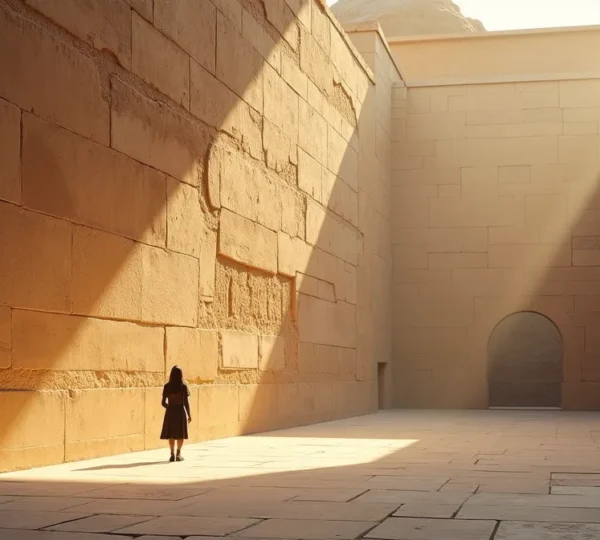
How to Visit World Heritage Sites Without Destroying Them?
Contrary to popular belief, simply ‘leaving no trace’ is no longer enough to save our planet’s most precious World Heritage…
Read more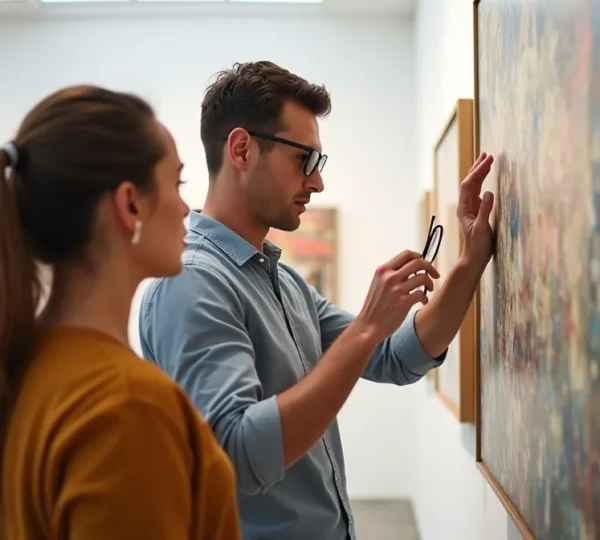
How to Buy Your First Original Artwork Without Getting Ripped Off?
Buying your first artwork isn’t about “just buying what you love”; it’s about learning to distinguish authentic artistic intent from…
Read more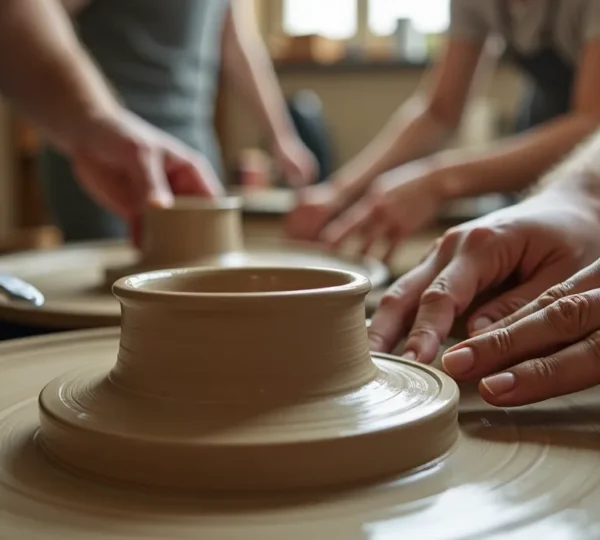
How to Choose a Craft Workshop That Will Actually Teach You a New Skill
The best craft workshops aren’t defined by the price or the instructor’s perfect portfolio, but by clear pedagogical signals that…
Read more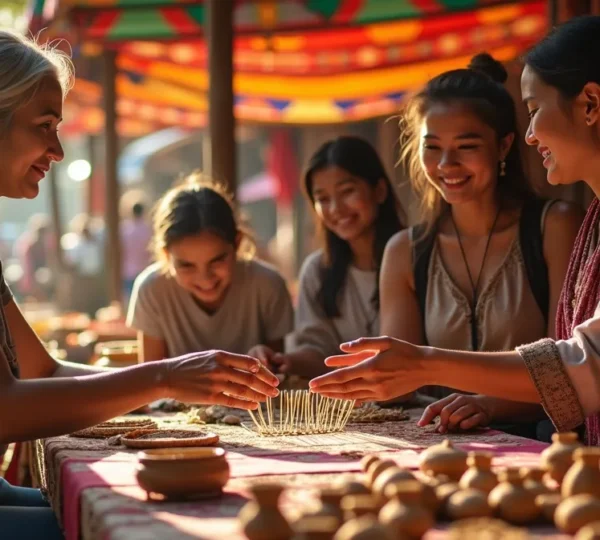
How Can Your Travel Spending Directly Benefit Local Families?
Your travel spending often fails to reach local families due to a hidden system called “economic leakage,” but you have…
Read more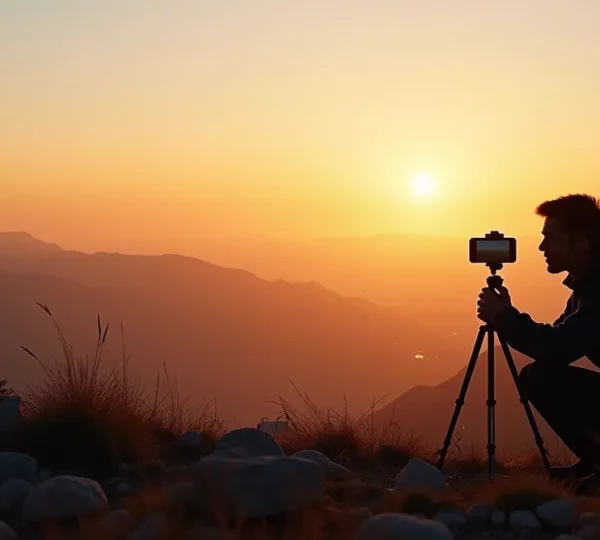
How to Capture Professional Landscape Photos Without Expensive Gear?
The greatest myth in photography is that you need expensive gear for professional results; the truth is that mastery of…
Read more