Home & decoration
Your home is far more than walls and furniture. It’s a living ecosystem that influences your mood, shapes your productivity, and affects your physical health every single day. The spaces you inhabit create invisible pressures—sometimes supporting your well-being, sometimes working against it. Understanding how design choices impact your daily experience transforms decoration from mere aesthetics into a powerful tool for enhancing quality of life.
This comprehensive resource explores the science-backed principles behind effective home design. From the psychological effects of spatial layout to the tangible benefits of energy efficiency, from urban living challenges to creating toxin-free environments, we’ll connect the dots between your space and your well-being. Whether you’re renovating, moving, or simply optimizing what you already have, these foundational concepts will help you make informed decisions that serve both your immediate comfort and long-term health.
How Your Home Layout Affects Mental Well-Being
The arrangement of your living space doesn’t just determine traffic flow—it directly influences your emotional state and cognitive function. Research in environmental psychology consistently demonstrates that spatial organization impacts stress levels, focus, and even relationship quality. When your home layout aligns with how you actually live, you experience less friction and more ease in daily routines.
The Connection Between Space and Mood
Think of your home as a stage where your daily life unfolds. Cluttered sightlines create mental noise, while open pathways foster calm. Ceiling height alone can shift your thinking patterns—higher ceilings encourage abstract, creative thought, while lower ceilings promote focused, detail-oriented work. Natural light exposure regulates circadian rhythms, directly affecting sleep quality and daytime energy. These aren’t subjective preferences; they’re measurable physiological responses to environmental cues.
Creating Functional Zones in Limited Spaces
Small spaces demand intentional zoning to prevent activity overlap that breeds stress. Even in a studio apartment, you can establish distinct psychological territories through furniture placement, lighting variation, and visual dividers. Consider these evidence-based strategies:
- Anchor each zone with a specific purpose and appropriate lighting
- Use rugs, screens, or shelving units to create implied boundaries without walls
- Position work areas away from relaxation spaces to prevent mental contamination
- Ensure each zone has adequate storage to maintain its intended function
Common Layout Mistakes That Undermine Well-Being
The most damaging layout errors are subtle. Placing your bed in direct sightline of the entrance prevents deep relaxation. Blocking natural light pathways increases reliance on artificial lighting and disrupts hormonal balance. Forcing furniture into spaces that don’t accommodate comfortable movement creates constant low-level irritation. When planning renovations specifically for mental health, sequence changes by addressing these fundamental spatial relationships first, then layer in aesthetic elements.
Energy Efficiency That Actually Pays Off
Energy efficiency isn’t just environmental responsibility—it’s a direct path to enhanced comfort and substantial long-term savings. A well-insulated, properly sealed home maintains stable temperatures, reduces noise infiltration, and eliminates the drafts and cold spots that make spaces feel unwelcoming. Understanding where your home loses energy and how to address it systematically transforms efficiency from an abstract concept into tangible daily comfort.
Diagnosing Where Energy Escapes
Before investing in upgrades, identify your specific vulnerabilities. Thermal imaging reveals heat loss patterns invisible to the naked eye, but you can also conduct basic diagnostics yourself. On a cold, windy day, hold a lit incense stick near windows, doors, electrical outlets, and baseboards. Smoke deflection indicates air leaks that compromise both temperature control and energy costs. Attics, basements, and crawl spaces typically account for the majority of thermal loss in most homes.
Insulation and Heating System Fundamentals
Effective insulation works like a thermos—keeping desired temperatures in and external conditions out. Different areas require different R-values (thermal resistance ratings) based on climate and exposure. Attic insulation typically delivers the highest return on investment, followed by wall cavities and basement spaces. When choosing heating systems, consider not just initial cost but operating efficiency, maintenance requirements, and compatibility with your home’s existing infrastructure. Heat pumps, radiant floors, and high-efficiency furnaces each excel in specific scenarios.
Sequencing Retrofits for Maximum Return
Retrofit order matters tremendously. Installing a new heating system before addressing insulation means you’ll oversize the equipment for actual needs post-insulation. Follow this proven sequence:
- Seal air leaks and improve insulation
- Upgrade windows and doors if needed
- Right-size and install efficient heating/cooling systems
- Address ventilation to maintain indoor air quality
- Consider renewable energy additions like solar panels
This approach ensures each investment builds on the previous one, avoiding expensive redundancies and maximizing both comfort and financial returns.
Navigating Modern Urban Living Challenges
Urban density creates unique stressors that require specific design responses. Noise pollution, limited space, proximity to neighbors, and commute demands all compound to affect well-being in ways suburban or rural residents rarely experience. The good news? Strategic design interventions can significantly mitigate these pressures, creating sanctuaries even in the most congested environments.
Understanding and Controlling Noise Impact
Chronic noise exposure elevates cortisol levels, disrupts sleep architecture, and impairs cognitive performance. Urban residents face constant low-level noise that the brain never fully habituates to. Soundproofing rental spaces presents unique challenges since structural modifications may not be permitted, but effective solutions exist. Heavy curtains, acoustic panels disguised as art, weather stripping on doors, rugs with dense padding, and strategically placed bookshelves all absorb or block sound transmission without permanent alterations.
Choosing the Right Urban Apartment
Not all urban units are created equal. When evaluating apartments, visit at different times—morning, evening, and weekend—to assess actual noise levels and natural light throughout the day. Corner units typically offer more windows and fewer shared walls. Top floors eliminate overhead footfall noise but may face more temperature fluctuation. Distance from elevators, garbage chutes, and building entrances dramatically affects daily peace. Consider the trade-off between commute optimization and neighborhood amenities; sometimes a slightly longer commute to a calmer neighborhood yields better overall well-being than saving fifteen minutes each way.
Designing Specific Rooms for Health and Productivity
Different activities demand different environmental conditions. A bedroom optimized for restorative sleep has fundamentally different requirements than a home office designed for sustained focus. Understanding these distinctions allows you to customize each space for its primary function, enhancing both performance and satisfaction.
Bathroom Design Centered on Wellness
Your bathroom can be a utilitarian necessity or a daily wellness ritual—design determines which. Hydrotherapy benefits have been documented for centuries: warm water increases circulation and relaxes muscles, while contrast temperatures (alternating warm and cool) stimulate lymphatic drainage and immune function. Even modest DIY upgrades like installing a handheld showerhead with multiple settings, adding dimmer switches for adjustable lighting, or introducing natural materials like wood and stone can transform the sensory experience. Ventilation remains critical—inadequate airflow breeds mold and traps humidity, undermining the space’s health benefits.
Ergonomics for Sustained Home Productivity
Working from home collapsed the boundary between professional and personal space, making ergonomic design more critical than ever. Poor ergonomics doesn’t just cause discomfort—it reduces cognitive performance and accelerates fatigue. Your spine should maintain its natural S-curve while seated, which requires:
- Chair seat depth that supports thighs without pressure behind knees
- Lumbar support positioned at the small of your back
- Monitor top at or slightly below eye level to prevent neck flexion
- Keyboard and mouse positioned so elbows rest at 90-degree angles
When comparing desk types, consider that sit-stand options reduce static loading on your spine and encourage movement throughout the day. However, the transition between positions matters more than the desk type—changing posture every 30-45 minutes prevents the muscular fatigue that comes from any single position held too long. To prevent eye strain, follow the 20-20-20 rule: every 20 minutes, look at something 20 feet away for 20 seconds, allowing your focal muscles to relax.
The Science of Color Psychology in Your Home
Color is not merely decorative—it’s a form of visible light energy that your brain processes at a neurological level. Different wavelengths trigger distinct psychological and physiological responses, influencing everything from appetite to perceived temperature to time perception. Understanding these mechanisms allows you to use color strategically rather than leaving its effects to chance.
How Wavelength Impacts Human Response
Shorter wavelengths (blues and greens) have a cooling, calming effect because they slow heart rate and reduce blood pressure. Longer wavelengths (reds and oranges) are physiologically activating, increasing arousal and energy. This isn’t cultural conditioning—it’s hardwired biology. Blue light suppresses melatonin production, which makes it problematic in bedrooms but valuable in workspaces during daytime hours. Yellow stimulates mental activity and optimism but can create anxiety when oversaturated.
Applying Color Theory Practically
The 60-30-10 rule provides a foolproof framework: 60% dominant color (usually walls), 30% secondary color (upholstery, curtains), and 10% accent color (pillows, artwork, accessories). This ratio creates visual interest without overwhelming. When comparing paint finishes, understand that sheen affects perceived color intensity—matte finishes absorb light and appear softer, while gloss finishes reflect light and read more vibrant. Flat finishes hide wall imperfections but show scuffs easily; semi-gloss withstands moisture and cleaning, ideal for bathrooms and kitchens.
Avoiding Trend Traps and Planning Transitions
Design trends cycle predictably, but your home shouldn’t feel dated when the zeitgeist shifts. Choose trendy colors for easily changeable elements like throw pillows and artwork, while keeping permanent fixtures in timeless neutrals. When sequencing color transitions between rooms, use a common undertone—warm or cool—to create cohesion. Abrupt shifts from warm beiges to cool grays create visual discord. Think of color flow like a musical composition, with themes that repeat and evolve rather than jarring key changes.
Creating Healthier Indoor Air Through Design Choices
Indoor air quality often exceeds outdoor pollution levels, even in urban areas, due to off-gassing materials, inadequate ventilation, and accumulated particulates. Since people spend roughly 90% of their time indoors, the air you breathe at home has outsized health implications. Addressing this requires both reducing pollutant sources and enhancing natural filtration.
Indoor Plants: Separating Myth from Reality
The famous NASA Clean Air Study sparked widespread belief that houseplants significantly purify indoor air. The truth is more nuanced. While plants do absorb certain volatile organic compounds (VOCs), you’d need dozens of plants per room to match the purification rate of a single HEPA filter. However, plants offer other measurable benefits: they increase humidity (helpful in dry climates), reduce stress through biophilic connection, and improve perceived air quality even when measurable changes are modest. Species like snake plants, pothos, and spider plants require minimal care while providing these psychological benefits.
Plant Care and Placement Fundamentals
Successful plant integration depends on matching species to available light conditions. South-facing windows provide the most intense light; north-facing the least. When comparing soil mediums, understand that standard potting mix retains more moisture than cactus mix, which drains quickly. Overwatering kills more houseplants than any other factor. To prevent pest infestations, quarantine new plants for two weeks and inspect regularly for early signs like sticky residue, webbing, or leaf damage. Strategic placement near entryways or hallways maximizes visual impact, while grouping plants creates beneficial humidity microclimates.
Toxin-Free Materials and Renovation Choices
VOCs are carbon-based chemicals that evaporate at room temperature, emitted by paints, adhesives, carpets, pressed wood products, and cleaning supplies. Short-term exposure causes headaches and respiratory irritation; long-term exposure links to more serious health outcomes. When sourcing safe materials, look for third-party certifications like GREENGUARD Gold or FloorScore rather than vague “eco-friendly” marketing claims—this helps you identify actual greenwashing. Natural options like solid wood, natural linoleum, clay or lime plasters, and low-VOC or zero-VOC paints significantly reduce chemical exposure. Time your renovation to allow maximum off-gassing before occupation; cross-ventilation for several weeks post-installation dramatically reduces residual VOCs.
Creating a home that truly supports your well-being requires looking beyond surface aesthetics to understand the deeper relationships between space, materials, and human physiology. Each decision—from room layout to color selection, from insulation choices to plant placement—contributes to an environment that either enhances or diminishes your daily experience. By grounding your design choices in these evidence-based principles, you transform your home from a passive backdrop into an active partner in your health, productivity, and peace of mind.
Bamboo vs. Reclaimed Wood: A Consultant’s Guide to Lower VOC Emissions for Your Nursery
The safest flooring for your nursery isn’t determined by the material itself, but by the hidden binders, adhesives, and finishes…
Read more
How to Choose Indoor Plants That Genuinely Purify the Air in a 200 sq ft Room
To truly purify indoor air, you must think like a botanist and build a functional ‘botanical lung’—not just buy a…
Read more
Why Painting Your Bedroom Walls White Might Be Causing Your Insomnia?
Contrary to popular belief, stark white walls are often a poor choice for creating a restful bedroom, as their high…
Read more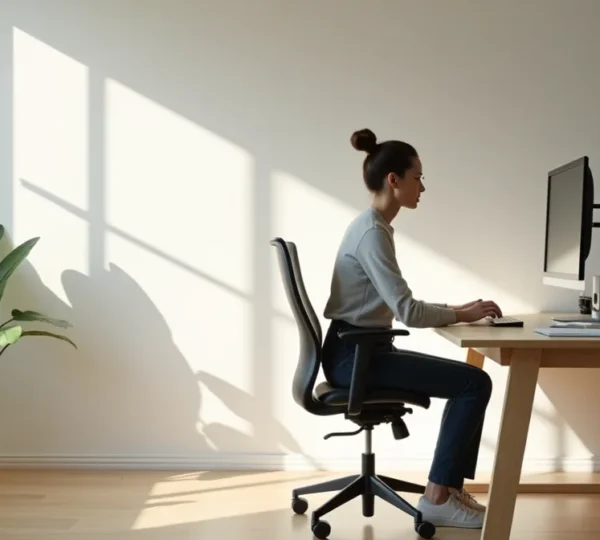
How to Design a Home Office Layout That Prevents Back Pain?
In summary: Your kitchen chair causes pain by compressing the sciatic nerve; counteract this with proper lumbar support and seat…
Read more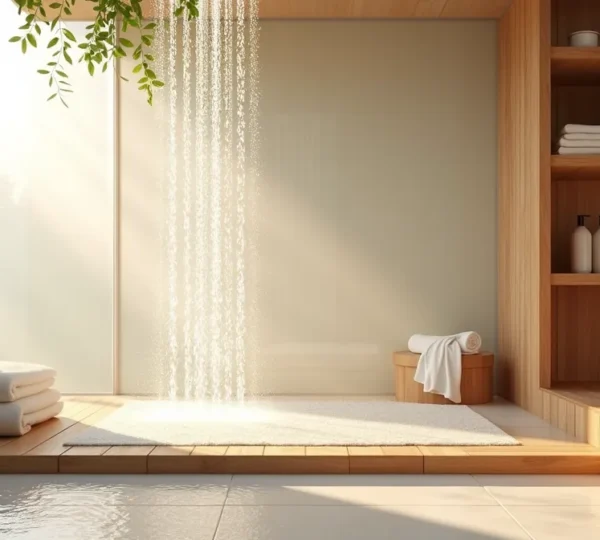
How to Create a Thermal Spa Bathroom for Under $2,000
In summary: Transform your bathroom by focusing on physiological wellness, not just decorative accents. Engineer your water systems with contrast…
Read more
How to Find Peace and Quiet in a Noisy City Apartment Without Moving?
Achieving true silence in a city apartment requires an engineering mindset focused on dismantling noise at its source, not just…
Read more
How to Cut Your Home’s Heat Loss by 30% Before Winter Arrives?
The key to slashing energy bills isn’t just plugging drafts, but a strategic, sequenced upgrade plan that treats your house…
Read more
How to Design a Living Room That Actively Reduces Anxiety After a Long Workday
Your living room can be more than just stylish; it can be an active tool for regulating your nervous system….
Read more